
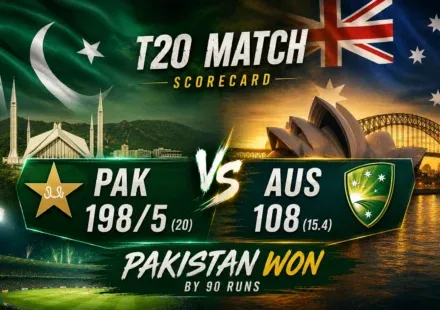
Cricket scorecards contain several details that help explain how a team reaches its final total. On cricketscore.it.com, readers can learn how extras contribute to team scores and why these additional runs matter during a match. Extras are runs awarded to the batting team without being credited to an individual batter’s personal score. They may seem like small details, but several extras can change the result of a close game. Understanding these numbers makes it easier to read scorecards accurately and recognize how different bowling mistakes influence an innings.
Understanding Cricket Extras
Extras are runs added to the team’s total through certain deliveries or situations rather than through a batter’s credited runs. The main categories include wides, no-balls, byes, leg byes, and penalty runs. Each category follows specific scoring rules, so readers should understand the differences before interpreting a scorecard.
Wides and no-balls generally involve illegal deliveries, while byes and leg byes can occur when the ball passes the batter without being hit by the bat. Penalty runs are awarded under particular circumstances covered by cricket’s playing rules. These categories are recorded separately because they explain how the team received runs outside the batter’s ordinary scoring contribution.
How Wides Add Runs
A wide occurs when a delivery is judged too far from the batter to be played fairly under the applicable rules. The batting team receives at least one extra run, and the delivery generally does not count as a legal ball in the over. Additional runs may also be scored if the batters run or the ball reaches the boundary.
For example, suppose a team has scored 80 runs and then receives three wides during the following over. If each wide contributes only one run, the team total increases to 83. The batter’s individual score does not increase because those runs are recorded as extras.
Wides can become particularly important in limited-overs cricket, where every delivery matters. Repeated wides increase the total and may also give the batting side additional opportunities to score.
Understanding No Ball Scoring
A no-ball is called when a bowler delivers the ball illegally under the relevant playing rules. Common reasons include certain types of overstepping and prohibited delivery actions. The batting team receives an extra run, while the delivery does not count as a legal ball in the over.
The scoring can become more complicated when a batter hits a boundary from a no-ball. The no-ball penalty is recorded separately, while runs scored from the batter’s shot are credited according to the applicable rules. Other runs may also be recorded as extras depending on how the ball travels.
Consider a team that has scored 145 runs and receives a no-ball worth one extra run. Its total becomes at least 146, even if the batter does not score from the delivery. Reading the extras column helps explain why the team total may exceed the combined runs credited to its batters.
Byes And Leg Byes Explained
Byes occur when a legal delivery passes the batter without touching the bat or body and the batters run, or the ball reaches the boundary. These runs belong to the team rather than the batter. They are recorded as byes in the extras section.
Leg byes are different because the ball must make contact with the batter’s body or protective equipment, subject to the relevant rules. The batters may then complete runs or receive boundary runs where permitted. Leg byes are also added to the team total without increasing the batter’s individual score.
For example, if a team scores 120 runs from credited batting contributions and receives four byes plus three leg byes, the total becomes 127, assuming there are no other extras. This calculation shows why the team total cannot always be understood by adding only the individual batter scores.
Reading The Extras Column
Most cricket scorecards display extras separately from the batters’ individual runs. The extras entry may show a combined number and, depending on the scorecard format, a breakdown of wides, no-balls, byes, leg byes, and penalty runs.
Readers can use this information to check whether the total appears consistent. Add the runs credited to each batter to the recorded extras, and compare the result with the team total. Remember that the total also includes any applicable penalty runs.
If the numbers do not match, check whether a batter’s score or an extras category was overlooked. Some scorecards display information in compact formats, so it helps to read the labels carefully before calculating anything.
Why Extras Matter In Matches
Extras can influence the outcome when two teams finish with similar totals. A handful of additional runs may change the target in a limited-overs match or affect the lead during a longer contest. They can also reveal problems with bowling control, although a high extras total alone does not explain every mistake.
A bowler who concedes several wides or no-balls gives the batting team additional scoring opportunities. However, extras should be considered alongside wickets, economy rate, pitch conditions, and the quality of the opposition. A single category rarely explains an entire performance.
For readers comparing scorecards on cricketscore.it.com, examining extras alongside batting and bowling figures provides a fuller picture of how the match developed.
Avoiding Common Scoring Mistakes
One common mistake is adding extras to a batter’s personal score. These runs increase the team total, but they are not automatically credited to the striker. Another mistake is assuming that every extra delivery counts toward the over. Wides and no-balls generally do not count as legal deliveries, although the exact scoring situation depends on the applicable rules.
Readers should also avoid treating every extra as evidence of poor bowling. Byes and leg byes can arise from different circumstances, and the scorecard alone may not explain the complete situation. Checking the delivery details and match context helps prevent incorrect conclusions.
Conclusion
Cricket extras explain why a team’s final total can differ from the combined runs scored by its batters. Understanding wides, no-balls, byes, leg byes, and penalty runs helps readers interpret scorecards more accurately. Readers visiting cricketscore.it.com can use these details to understand team totals and compare match performances with greater confidence. By checking the extras column alongside batting figures, bowling figures, and overs, cricket fans can gain a clearer understanding of how every run contributes to the game.
Read also :-
bangladesh national cricket team vs afghanistan national cricket team timeline