In the ever-evolving world of architecture and construction, commercial spaces have transformed dramatically with the infusion of innovative design practices. These advancements not only focus on aesthetics but also emphasize sustainability, functionality, and adaptability in spaces designed for modern business needs. One of the leading materials in this transformation is steel, paving the way for revolutionized commercial infrastructures.
The Rise of Steel in Commercial Architecture
Steel has become a cornerstone in constructing commercial spaces due to its versatility and unmatched durability. As businesses across Canada seek to combine practicality with aesthetic appeal, steel buildings have emerged as a logical choice. From retail spaces to office buildings, steel provides an ideal blend of strength, flexibility, and cost-effectiveness.
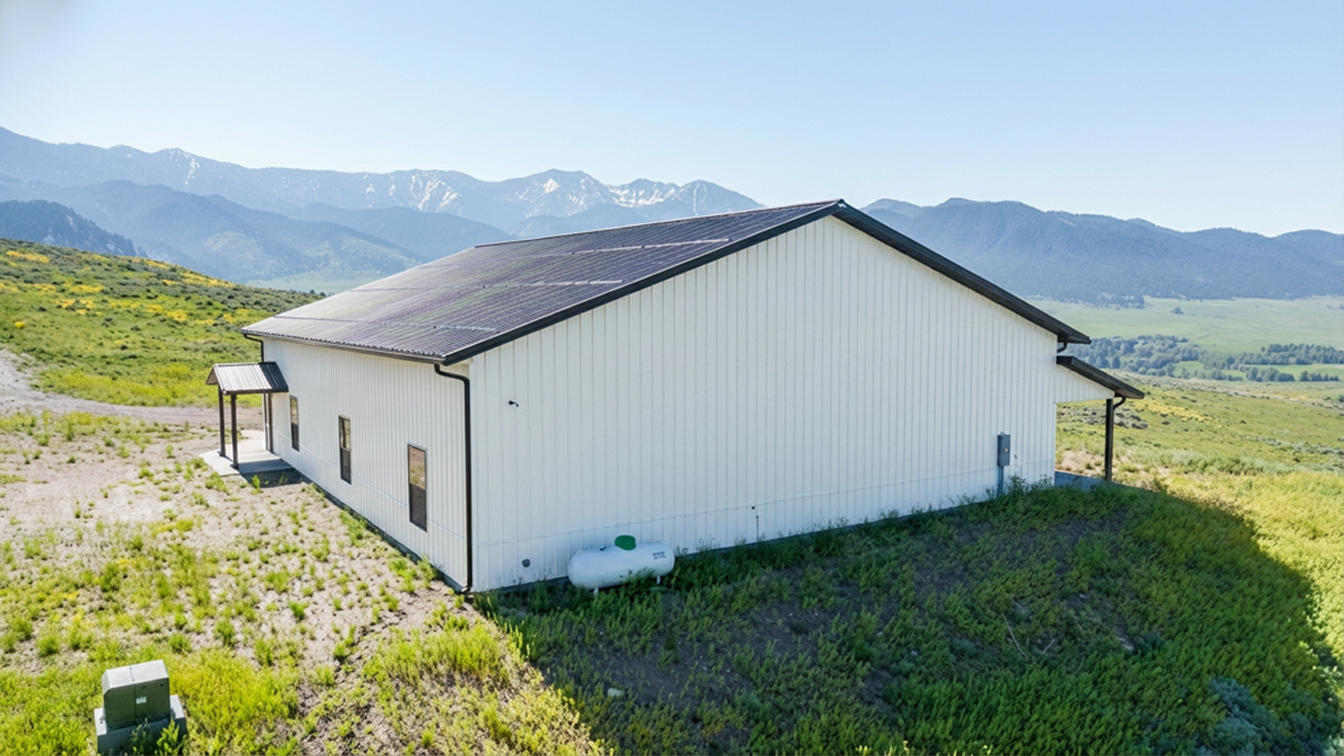
The trend towards commercial steel buildings is particularly pronounced, with developers and architects employing steel to create structures that not only meet but exceed modern design expectations. The ability to craft expansive, open spaces without the constraints imposed by traditional building materials is one of the many reasons steel is preferred by industry leaders.
Innovative Designs Rooted in Functionality
Incorporating innovative designs in commercial spaces isn’t merely about creating visual impact; it’s about enhancing functionality and user experience. Modern commercial structures are tailored to foster collaboration, increase productivity, and improve the customer experience. This is where steel buildings shine — offering an adaptable framework that supports extensive design experimentation.
Steel’s structural integrity allows for wider spans and larger open areas, eliminating the need for internal support columns and maximizing usable space. This adaptability makes it easier to incorporate features such as large mezzanines, window walls, and flexible interior layouts that can be reconfigured as business needs change.
Sustainability Paired with Innovation
As environmental concerns continue to influence construction practices, sustainable building designs have become a non-negotiable aspect of commercial architecture. Steel is lauded as one of the most sustainable building materials available today. It is not only 100% recyclable, but it also boasts a minimal carbon footprint during its lifecycle compared to other materials.
Innovative commercial spaces are leveraging these sustainable credentials to meet green building standards and certifications. From efficient insulation and thermal resistance to the implementation of energy-saving technologies, steel structures are making a significant impact. Moreover, the steel building installation in Canada has incorporated this sustainability into its processes, further ensuring environmental compatibility throughout the construction phase.
Customization and Aesthetic Appeal
Beyond function and sustainability, the aesthetic flexibility that steel offers is a game-changer for commercial architectures. Architects are now able to push the boundaries with contemporary designs that employ sleek lines, modern facades, and unique shapes — all achievable with steel frameworks.
Customization options in commercial steel buildings allow for the integration of glass, stone, wood, and more, offering clients a palette of textures and finishes to choose from. Whether a business desires a minimalistic appearance or a bold, expressive structure, steel accommodates these needs without compromise.
Case Studies: Innovative Steel Commercial Spaces
Across Canada, there are numerous exemplary projects that underscore the transformative power of steel in commercial architecture. Modern corporate headquarters, shopping centres, and mixed-use buildings are increasingly utilizing steel to create striking, sustainable, and adaptive commercial environments. These case studies highlight the successes that prompt further adoption of steel in this prolific sector.
By documenting these successful ventures, prospective developers and business owners can gain insights into how their commercial aspirations can become a reality through steel building frameworks, drawing inspiration from the challenges surmounted and efficiencies achieved.
The Role of Technology in Steel Design
The intersection of technology and architectural design further enhances the capabilities of steel in creating commercial spaces. Advanced software and building information modeling (BIM) systems allow precise planning, testing, and optimization of designs before the actual construction phase begins.
These technologies enable architects and engineers to simulate different design scenarios, test the impacts of variable conditions, and implement necessary adjustments efficiently. Consequently, the collaboration between technological tools and quality building materials like steel results in fewer onsite problems and accelerated construction timelines.
Embracing the Future of Commercial Spaces
As the landscape of commercial architecture continues to evolve, the integration of innovative designs utilizing steel is poised to redefine what is possible. This shift is not just about staying contemporary but also preparing for a future where buildings must adapt quickly to technological advancements and shifting business models.
From smart building integrations that leverage IoT technologies to designs that accommodate future expansions seamlessly, the possibilities with steel are well-aligned with these forthcoming needs. Businesses that choose steel commercial spaces are essentially investing in future-proof infrastructures that stand resilient in the face of change.
Final Thoughts
In conclusion, the evolution of commercial spaces through innovative designs is heavily supported by the role of steel as a primary construction material. With its combination of strength, sustainability, adaptability, and aesthetic flexibility, steel is leading the charge in transforming how businesses envision their physical infrastructures. For those considering embarking on such innovative projects, it’s worthwhile to explore the numerous benefits and opportunities presented by commercial steel buildings. Collaborating with industry experts and leveraging advanced installation techniques can ensure that each commercial venture is not only top-grade but also exquisitely tailored to meet both current and future demands.