As technology advances at an unprecedented pace, the construction industry is constantly evolving to incorporate new materials and methods. In Canada, we are witnessing a significant shift in how structures are designed and built, with a clear focus on sustainability, durability, and efficiency. Among the various materials pushing the boundaries of construction, steel stands out as a frontrunner. Here we will delve into why steel and other innovative materials are shaping the future of construction.
The Rise of Steel in Modern Construction
Steel has long been a staple in the construction industry due to its inherent strength, flexibility, and sustainability. Its versatility makes it suitable for various applications, from towering skyscrapers to expansive warehouses. In recent years, the demand for steel structures has surged, primarily due to their ability to provide resilience against adverse weather conditions and natural disasters—an essential consideration in Canada’s diverse climate.
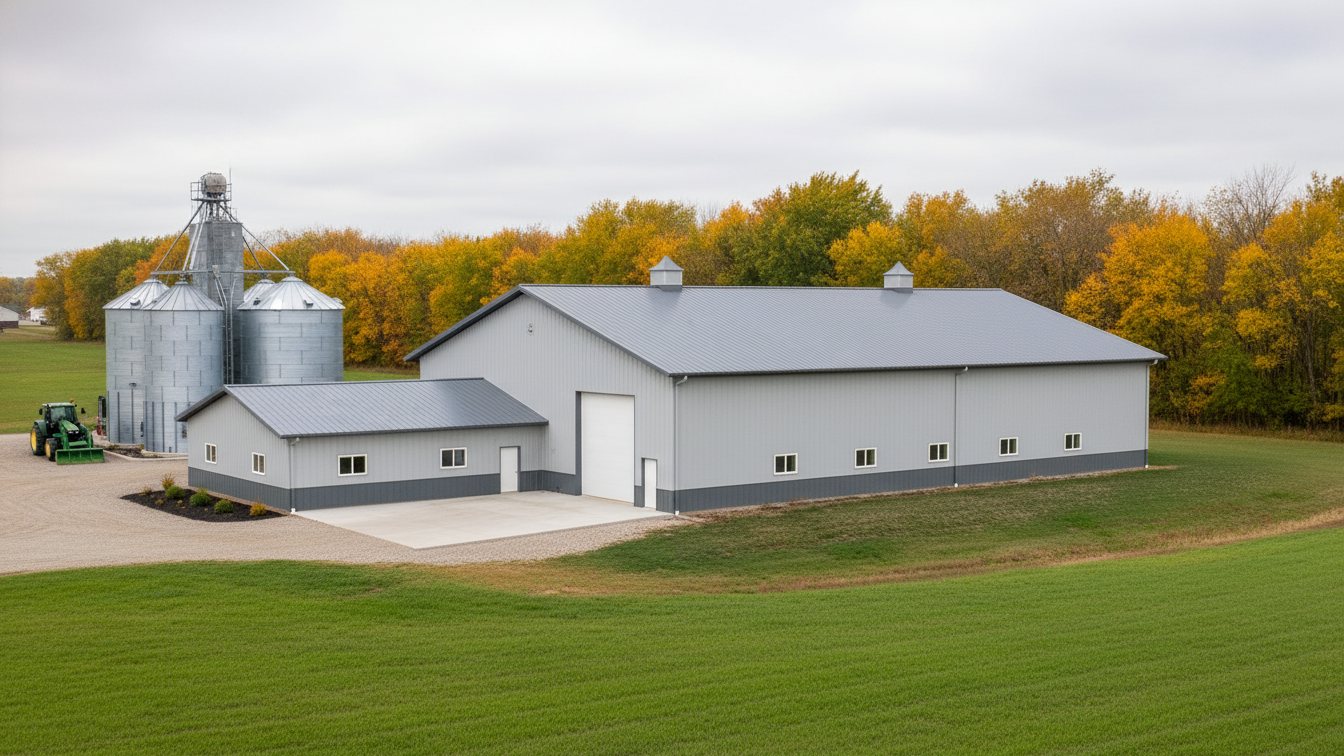
Canadian construction projects increasingly turn to steel building experts Canada to develop solutions that meet contemporary demands. From high-rise buildings in bustling cities to agricultural structures in rural settings, steel’s adaptability ensures it remains a material of choice across sectors. These experts leverage cutting-edge technology to enhance steel’s performance, ensuring that buildings are not only stronger but also more sustainable.
Innovative Steel Alloys and Coatings
Research and development in metallurgy have led to the creation of innovative steel alloys that boast superior properties. These advancements include greater resistance to corrosion and improved tensile strength, making them ideal for applications where traditional materials might fail. For instance, Weathering Steel, also known as Corten Steel, is increasingly popular for its ability to form a stable rust-like appearance that eliminates the need for painting.
Additionally, advancements in coating technology have enabled further protection of steel structures. These coatings enhance steel’s longevity by providing barriers against environmental elements, reducing maintenance costs, and prolonging the lifespan of the structure. Such technological strides underscore the role of steel as a lasting and reliable construction material.
Energy Efficiency and Sustainability
With growing awareness of climate change and environmental issues, the construction industry faces pressure to innovate towards more sustainable practices. Steel’s recyclability makes it an attractive material in this aspect. It can be recycled indefinitely without losing its strength or durability, significantly reducing the carbon footprint associated with construction projects.
Moreover, steel structures often incorporate energy-efficient systems. For instance, high-performance glazing and insulated panels help reduce energy consumption, contributing to lower operational costs and environmental impact. As such, steel remains a crucial component in the push towards eco-friendly construction practices.
Integration of Smart Technology
The future of construction is inexorably tied to technology, and smart buildings are becoming more common. These structures integrate intelligent systems that optimize energy use, security, and comfort. Incorporating steel in these designs not only ensures structural integrity but also facilitates the integration of smart technologies, thanks to its adaptability.
From sensors that monitor structural health to automated systems that adjust lighting and temperature, steel frames provide the perfect foundation for these innovations. As we look ahead, smart buildings will likely become the norm, further cementing steel’s role as a pivotal material.
High-Quality Metal Structures: The Future is Now
The demand for high-quality metal structures is higher than ever, propelled by the need for more efficient, durable, and sustainable buildings. The rise in prefabricated steel structures, for instance, exemplifies this trend. These buildings are constructed off-site and then assembled on location, significantly reducing construction time and costs.
Prefabrication also minimizes waste, as precise measurements and efficient processes lead to better resource management. In addition, the rapid assembly process reduces site disturbance, making it an attractive choice for urban areas where construction noise and traffic can be significant concerns.
Facing Challenges and Leveraging Opportunities
Despite its many advantages, the steel industry faces challenges that require continuous innovation. The fluctuating cost of raw materials and energy-intensive production processes can impact its affordability. However, ongoing research into alternative manufacturing techniques, such as the use of renewable energy in production, holds promise for more cost-effective and environmentally friendly steel.
Leveraging digital technology to optimize supply chains and improve logistics also presents opportunities to enhance efficiency in steel manufacturing and distribution. These improvements will make steel more competitive, particularly as the demand for sustainable construction solutions grows.
The Global Influence of Steel in Construction
While Canada is at the forefront of adopting these innovative materials and methods, the influence of steel in construction is global. From Asia’s bustling cities to Europe’s historic landscapes, steel structures are altering skylines and establishing new architectural legacies. The collaboration of international experts, including those in Canada, is pivotal in setting new standards and spreading knowledge across borders.
As we advance, steel’s role in shaping the future resides not only in its structural applications but also in its contribution to a connected, sustainable world. This entails creating synergies between different sectors and technologies to achieve a construction ecosystem that meets modern demands without compromising the future.
Conclusion: Steel at the Heart of Tomorrow’s Structures
In conclusion, steel is undeniably at the heart of tomorrow’s construction materials. Its adaptability, strength, and potential for innovation make it indispensable. Canada’s dedication to utilizing and advancing steel technology underscores a commitment to creating a sustainable and efficient built environment.
For those looking to explore the potential of steel further, consulting with steel building experts Canada can provide invaluable insights and solutions tailored to specific needs. As we embrace the future, the integration of steel within high-quality metal structures will not only meet current construction demands but also address the challenges and opportunities of tomorrow.