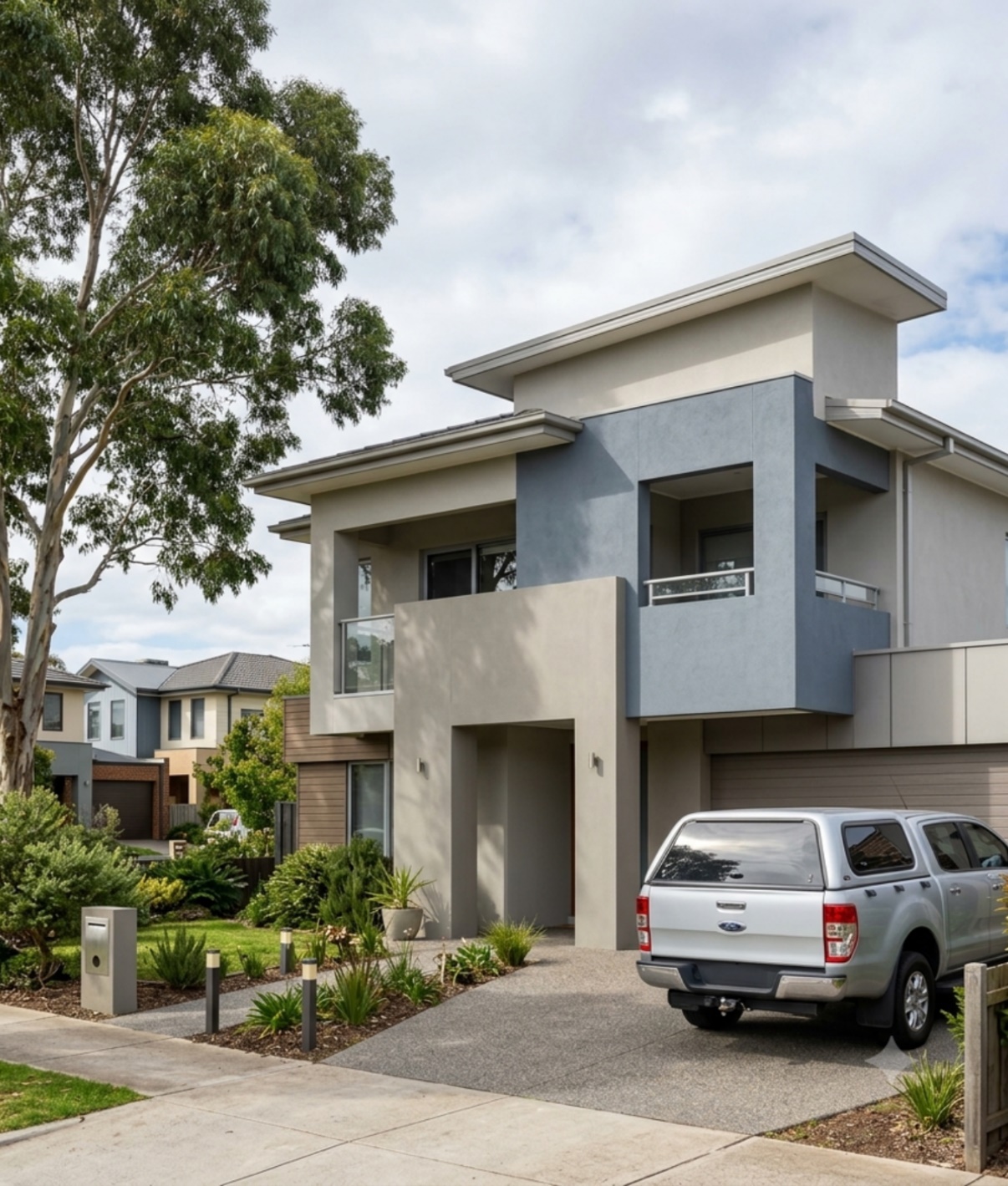
Transforming a large residence into a showcase of refined living demands more than good taste; it demands financial discipline. Homeowners who plan a villa renovation dubai project often discover that costs shift quickly once structural work, imported finishes, and bespoke detailing enter the picture. A clear allocation framework keeps ambition aligned with reality, protecting both the design vision and the final return on investment. This guide explains how to distribute funds across priorities, from structural essentials to finishing touches, so every dirham works harder and the completed property feels cohesive, durable, and genuinely luxurious.
Set a Realistic Total Budget and Contingency Reserve
Begin by establishing a total figure you are genuinely comfortable spending, then reserve ten to fifteen percent as contingency before assigning any other funds. Luxury properties frequently reveal hidden issues behind walls, beneath floors, and above ceilings, and those surprises rarely come cheap. A dedicated reserve prevents difficult mid-project compromises on quality. Next, divide the remaining amount into major categories such as construction, design, materials, and furnishing, using percentages that reflect your priorities. Documenting this plan early gives contractors and designers a shared reference point and keeps every decision accountable.
Prioritize Structural and MEP Upgrades First
Structural and mechanical work deserves the largest early share because every later finish depends on it. Upgrading air conditioning, electrical capacity, plumbing, waterproofing, and insulation protects the property against Dubai’s demanding climate and prevents costly failures after handover. Many owners underestimate these hidden systems because they are invisible, yet they determine comfort, safety, and long-term maintenance costs. Allocating roughly thirty to forty percent of the total budget here is a sound benchmark for full-scale projects. Completing this stage first also avoids damaging expensive new surfaces when concealed work must be reopened later.
Allocate Funds for Design and Professional Fees
Professional guidance typically accounts for eight to twelve percent of a luxury budget, and it is money well spent. Experienced designers prevent expensive errors, coordinate trades, and source materials at better terms. When researching Home interior design dubai services, compare portfolios, fee structures, and project management scope rather than choosing on price alone. A strong design team translates your preferences into precise drawings, specifications, and schedules, which reduces ambiguity and variation orders during construction. Clear contracts defining deliverables and payment milestones further safeguard your investment and keep the project moving smoothly.
Invest Wisely in Premium Materials and Finishes
Materials define the visual character of a luxury home, so they usually claim twenty to twenty-five percent of the budget. Focus premium spending on high-impact, high-touch areas such as entrance halls, main living spaces, kitchens, and master bathrooms. Natural marble, quality joinery, and designer fixtures deliver lasting beauty where they are seen and used daily. Secondary spaces can use refined yet economical alternatives without weakening the overall impression. Always request samples, confirm lead times for imported items, and order slightly extra quantities to avoid mismatched batches that delay installation.
Plan Furniture, Lighting, and Smart Home Spending
Furniture, lighting, and technology complete the transformation, and they should be budgeted from the beginning rather than treated as afterthoughts. Set aside roughly ten to fifteen percent for statement furnishings, layered lighting, window treatments, and artwork that give each room personality. Smart home automation, covering climate, security, and entertainment, adds convenience and appeals strongly to future buyers. Coordinate electrical points and wiring during the construction phase so installations remain discreet and affordable. Phasing purchases by room also helps manage cash flow while ensuring finished spaces are always ready for use.
Track Spending and Protect Resale Value
Disciplined monitoring keeps even generous budgets on course. Request itemized quotations, compare them against your original allocations, and review spending with your project manager every two weeks. Approve any change in writing, noting its cost and schedule impact before work begins. Consider how each decision affects resale value, favoring timeless layouts and quality finishes over fleeting trends. Strategic upgrades to kitchens, bathrooms, and outdoor areas typically return the strongest value. Maintaining accurate records also simplifies warranty claims and future maintenance, ensuring your investment remains protected long after the final inspection.
Conclusion
Smart budget allocation turns an ambitious renovation into a controlled, rewarding journey. By reserving contingency funds, prioritizing infrastructure, investing in expert design, choosing materials strategically, and tracking every expense, owners achieve elegant results without financial surprises. Each category supports the others, creating a balanced plan that protects quality and value. For tailored guidance and exceptional craftsmanship, explore the portfolio at panameraliving.com and discover how a thoughtful, well-managed approach can elevate your property into a residence that reflects your lifestyle and stands the test of time.