
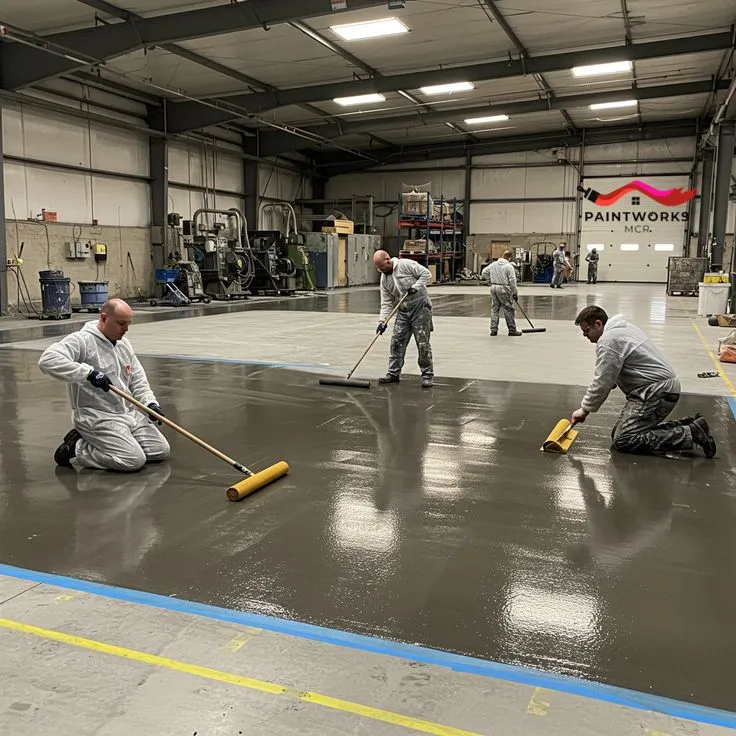
A distribution center operates according to strict schedules. Deliveries arrive, forklifts move between storage aisles, and employees prepare shipments for dispatch. When concrete surfaces begin deteriorating, even a small damaged section can interrupt these activities. Choosing appropriate warehouse floor coatings helps facility managers address surface wear while supporting demanding daily operations. Rather than treating flooring as an isolated maintenance expense, warehouse operators can consider its influence on equipment movement, cleaning efficiency, and the reliability of essential work areas.
Where Warehouse Floors Experience the Most Stress
Floor deterioration rarely develops evenly throughout a warehouse. Loading docks, forklift turning points, and frequently used aisles often experience more concentrated wear. Heavy equipment applies repeated pressure, particularly where wheels follow identical routes. Pallet movement, dropped materials, and abrasive debris can contribute to surface damage.
Storage areas may experience different stresses depending on rack layouts and equipment weight. Mapping these conditions provides a useful starting point for identifying which sections require particular attention.
A flooring assessment should therefore reflect actual operations rather than assuming every square foot experiences equal use.
Why Equipment Movement Matters
Forklifts and pallet jacks depend on reasonably smooth surfaces for predictable movement. Damaged joints, raised edges, or deteriorating concrete can interfere with travel. Some coating systems offer useful abrasion and impact resistance when correctly specified and installed. However, protective finishes cannot compensate for major structural faults or unsuitable slab construction.
Managers should identify equipment weights, wheel materials, turning frequencies, and concentrated loading before selecting a system. These details influence the recommended preparation method, coating characteristics, and whether existing concrete requires repair.
Building Specifications Around Warehouse Activities
Warehouse floors need to accommodate more than vehicle traffic. Moisture, cleaning products, and occasional chemical spills can influence material selection.
A practical specification should consider:
-
Loading zones: Identify repeated impacts and heavy wheel traffic.
-
Storage aisles: Evaluate movement patterns and joint conditions.
-
Chemical exposure: Match coating resistance to substances handled.
-
Surface traction: Consider areas vulnerable to moisture or spills.
-
Repair access: Establish how future maintenance can be carried out.
Matching the system to the environment helps prevent unnecessary expense and unrealistic expectations.
Understanding the Role of Protective Systems
Suitable concrete coatings can protect prepared slabs from various forms of surface wear and contamination. Epoxy systems are commonly selected for their adhesion and durability. Other compatible resin or urethane systems may be appropriate where different performance characteristics are needed.
Material choice depends on mechanical loads, chemical exposure, cleaning methods, and operating temperatures. The finished surface should be evaluated as a complete system rather than a single decorative layer. A qualified contractor can explain the differences between available materials and the conditions under which each performs best.
Coordinating Installation Around Deliveries
Flooring work requires careful scheduling because a warehouse cannot always stop receiving and dispatching goods. One approach involves dividing the facility into controlled work zones. Inventory may need temporary relocation, and alternative routes must be available for equipment.
Contractors should account for grinding, repairs, coating application, and curing before approving the return of traffic. A surface that appears dry may not yet be suitable for loaded forklifts. Clear communication between warehouse supervisors, drivers, and installation teams helps prevent accidental entry into unfinished areas.
Preventing Small Defects From Becoming Major Problems
Routine inspections can identify surface changes before they interfere with normal work. Supervisors should monitor joints, loading points, and turning areas for cracks, coating damage, or unusual wear. Recurring defects may indicate an underlying movement or loading problem.
Cleaning teams can help by reporting areas where contamination accumulates or where the floor becomes difficult to maintain. Maintenance records allow managers to compare problem locations over time. This information can guide targeted repairs instead of waiting for extensive deterioration across the facility.
Considering the Full Cost of Flooring Decisions
A low initial installation price may be less attractive if the floor later requires frequent repairs or disrupts distribution schedules. Long-term planning should account for preparation quality, expected service conditions, cleaning expenses, and future access requirements.
Selecting a more suitable system does not eliminate maintenance, but it can reduce avoidable problems associated with poorly matched materials. Managers should request clear specifications rather than relying on general durability claims.
The objective is dependable flooring that supports operations without creating unnecessary maintenance demands.
Conclusion
Warehouse flooring decisions affect far more than the appearance of concrete. Equipment movement, operational schedules, surface preparation, and ongoing inspections all influence how successfully a facility functions. A properly specified system can support demanding work areas while making maintenance easier to manage. Distribution centers and industrial property managers throughout Chicago and surrounding Illinois communities can explore professional flooring systems through evolveconcretecoating.com when planning upgrades to heavily used facilities.

