
A surprisingly cheap quote can feel like a small victory, especially when a repair interrupts an already tight budget. Yet plumbing is one of the few home trades where mistakes stay hidden behind walls until they flood a ceiling or contaminate a water supply. Licensing exists to prevent those outcomes, and ignoring it shifts every risk onto the property owner. Looking closely at what credentials protect, and what skipping them can cost, makes the cheapest bid look far less attractive.
When the Lowest Bid Costs the Most
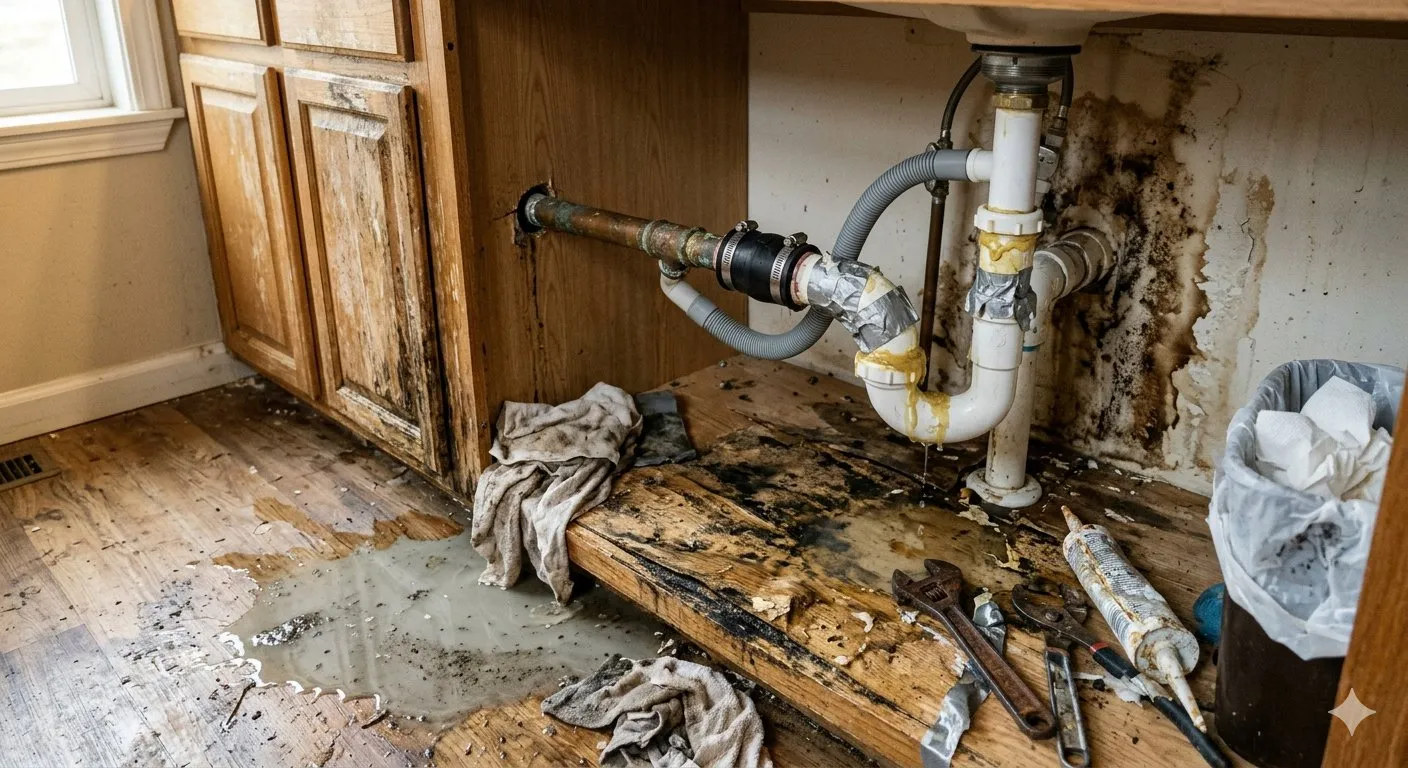
Discounted work often hides shortcuts: undersized pipes, missing vents, improper slopes, or fittings that were never pressure tested. These flaws rarely show up on the day of the visit. They appear months later as damp drywall, slow drains, or unexplained spikes in the water bill. Paying a second contractor to dig up and redo the original job quickly erases any early savings, and the repeated disruption adds frustration that a fair quote would have avoided. Quality work looks expensive only briefly.
What a License Really Proves
A trade license is not decoration. Earning one typically requires documented field experience, a written examination on plumbing code, and continuing compliance with state or local rules. It tells you the holder understands venting, backflow prevention, water heater installation, and safe gas connections at a recognized standard. Credentials also create accountability, because regulators can investigate complaints and revoke privileges, an option that simply does not exist when the person working in your home answers to nobody. Accountability is the quiet value behind every license.
Permits and Inspections Are Your Safety Net
Many plumbing projects, such as water heater replacement, sewer repairs, and re-piping, require permits and an inspection. An authorized contractor handles that paperwork as a routine part of the job. Unpermitted work leaves you responsible for violations, fines, or having finished walls opened again so an inspector can examine concealed pipes. The inspection itself is valuable, offering a second qualified opinion on the quality of the installation before everything gets covered. Contractors who skip permits to save time are quietly shifting liability onto you.
Insurance Does Not Always Forgive
Homeowners policies generally cover sudden water damage, but claims connected to improper installation can attract scrutiny. If a failed connection made by someone without credentials floods your kitchen, the insurer may question the cause. On top of that, an uninsured worker who is injured on your property can create a liability dispute. Choosing a contractor who carries proper coverage protects both your house and your finances when accidents occur. Reading your policy carefully before a disaster, not after, avoids unpleasant surprises.
Searching Smart Instead of Searching Fast
Entering Licensed Plumber Near Me into a search bar produces plenty of results, but the phrase on a website proves nothing. Ask for the license number, then confirm it through the relevant state or local lookup. Check that the name on the license matches the company, and verify the expiration date. Five minutes of verification protects you from false claims, and a trustworthy business will gladly supply every detail without hesitation. Online reviews help, though official records always carry the final word.
Resale Value and Home Inspections
Buyers increasingly hire inspectors who look for signs of amateur plumbing, including mismatched materials, improvised supports, and fresh patches around fixtures. Missing permit records can stall negotiations or push a buyer to demand price reductions. Keeping invoices, license details, and inspection approvals in a folder gives you proof that the work met code. That documentation reassures future owners, and it can speed up a sale at the moment when every delay feels costly. Clean records signal a carefully maintained home.
Commercial Properties Face Higher Stakes
For restaurants, offices, and multi-unit buildings, plumbing failures can close doors and trigger regulatory trouble. Property managers often require vendors to prove licensing, insurance, and, for public or institutional contracts, supplier certifications such as Maryland’s MBE and Virginia’s SWaM programs. These requirements exist because downtime, tenant complaints, and code violations carry real financial weight. Selecting a fully credentialed contractor from the start keeps compliance audits uneventful and maintenance schedules predictable. A single failed inspection can delay openings, renewals, and revenue for weeks.
Choose Credentials Over Guesswork
Hiring well is really an exercise in managing risk, and verified credentials remain the simplest safeguard available. Definitive Mechanical is a licensed, insured, MDOT MBE and Virginia SWaM certified plumbing and gas contractor serving Maryland, DC, and Northern Virginia, with a master plumber holding licenses in four states. Verify before you hire, keep your paperwork organized, and choose the professional whose qualifications you can confirm rather than merely believe. Quality plumbing, like a sturdy foundation, should never depend on guesswork or hope.