
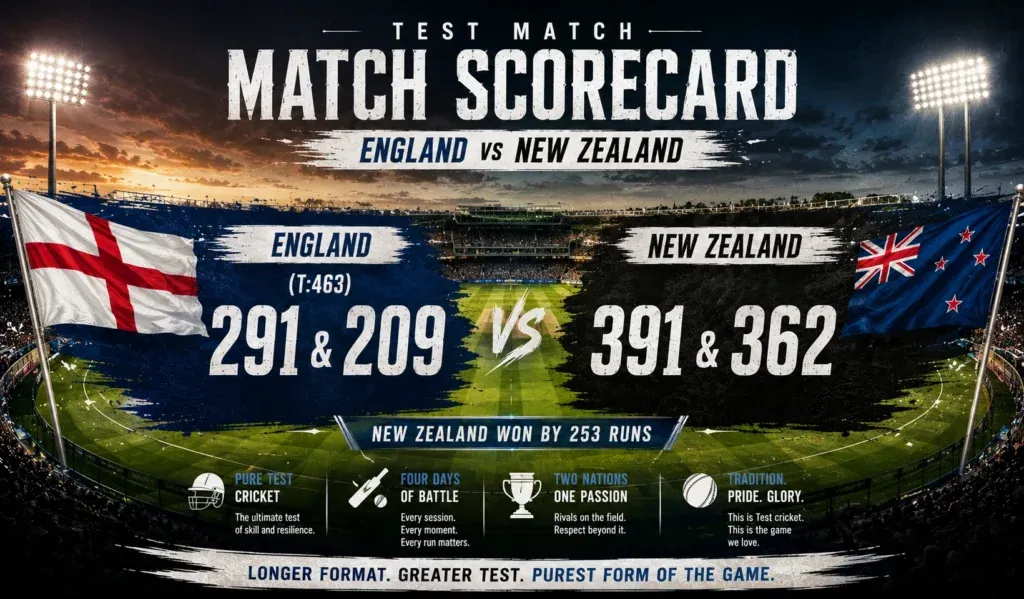
Cricket scorecards use several abbreviations to present match information clearly. These short labels help readers understand statistics without lengthy explanations. cricketmatchteam.com is a useful context for exploring these common scorecard terms. Some abbreviations appear in almost every professional cricket match. Others become familiar through regular viewing and match analysis.
Why Cricket Uses Abbreviations
A cricket scorecard contains information about many players and performances. Writing every statistic in full would require considerably more space. Abbreviations make scorecards easier to read across different devices. They also help display several statistics within compact tables. This approach is common across international and domestic cricket.
New readers might initially find these shortened terms confusing. However, most abbreviations become understandable after seeing them repeatedly. Learning their meanings makes scorecards more useful. It also helps readers compare players across different competitions. A little practice can improve cricket knowledge considerably.
Understanding Runs And Balls
The abbreviation R commonly represents runs within batting statistics. It shows how many runs an individual batter has scored. The abbreviation B usually represents balls faced by that batter. These figures provide basic information about batting contributions. They also help explain the batter’s scoring speed.
A batter scoring fifty runs from forty balls offers useful information. Readers can understand both the total and delivery count. The strike rate then provides another performance measurement. It explains how quickly the batter scored during the innings. These statistics work together rather than separately.
What Overs And Maidens Mean
The abbreviation O commonly represents overs delivered by a bowler. It shows how much bowling work that player completed. The abbreviation M represents maiden overs within bowling figures. A maiden over is one where no runs are conceded. Wickets taken during an over do not automatically remove maiden status.
A bowling figure might show four overs and one maiden. This means the bowler delivered four completed overs overall. One of those overs produced no conceded runs. Readers should check the complete bowling line before judging performance. The remaining figures provide important additional information.
Understanding Wickets And Economy
The abbreviation W represents wickets taken by a bowler. It shows how many batters that bowler dismissed. The abbreviation Econ represents the bowling economy rate. This figure measures the average runs conceded per over. A lower economy can indicate better run control.
However, economy should not become the only performance measure. A bowler taking three wickets might concede more runs. Another bowler might remain economical without taking wickets. Their contributions can serve different team requirements. Match conditions help explain these differences properly.
Learning Strike Rate Notation
Strike rate is commonly displayed as SR within scorecards. For batters, it measures runs scored per hundred balls faced. A higher strike rate generally indicates faster scoring. However, suitable scoring speed depends on match format. Test cricket and T20 cricket require different approaches.
Bowling strike rate measures deliveries required for taking wickets. It is calculated using balls bowled and wickets taken. A lower bowling strike rate generally indicates frequent wicket-taking. Readers should avoid confusing batting and bowling strike rates. Their purposes are different despite sharing similar names.
Common Dismissal Abbreviations
Scorecards often use short descriptions for different dismissals. Bowled may appear as b followed by the bowler’s name. Caught dismissals commonly identify the fielder and bowler. LBW represents leg before wicket under cricket rules. These descriptions explain how a batter lost their wicket.
Run out dismissals generally identify the involved fielders. Stumped dismissals usually involve the wicketkeeper and bowler. Hit wicket describes a batter disturbing their own stumps. Retired hurt and retired out have separate meanings. Readers can learn these terms through match examples.
Understanding Not Out And DNB
Not out means a batter remained at the crease. Their innings ended without losing their wicket. This can happen when the team innings finishes. It can also occur when the target is successfully chased. Not out is an important distinction within batting records.
DNB commonly means did not bat during that innings. A player may appear in the team without facing deliveries. This can happen when an innings ends early. Sometimes a successful chase requires fewer batters than expected. DNB should not be confused with a dismissal.
Extras And Their Short Forms
Extras can also appear through abbreviated scorecard notation. Wd commonly represents wides recorded during an innings. NB usually represents no-balls delivered by the bowling side. B can represent byes within an extras summary. LB commonly represents leg-byes in scorecard displays.
Readers should consider the section where an abbreviation appears. The same letter can represent different things elsewhere. For example, B can mean balls faced in batting. It may also indicate byes within extras information. Context helps readers understand the intended meaning correctly.
Understanding Match Result Terms
Scorecards also include short phrases describing match outcomes. Won by runs means the winning team defended its total. Won by wickets means the chasing team reached its target. A tied match means both teams finished with equal scores. These results describe different match situations clearly.
NR can represent no result in many scorecard systems. This can happen when weather prevents sufficient play. Abandoned matches may also receive separate descriptions. A draw is different from a tie in cricket. Test cricket frequently uses the draw result.
Powerplay And Over Notation
Limited-overs scorecards sometimes display powerplay information separately. Powerplay overs contain specific fielding restrictions under competition rules. The number of overs depends on the playing format. These periods can influence how teams approach scoring. Readers should check the tournament rules for exact conditions.
Over notation can also create confusion for beginners. A display of 12.3 represents twelve overs and three balls. It does not represent twelve overs and three tenths. Cricket overs use six legal deliveries for their calculation. Illegal deliveries do not count towards that over’s completion.
Symbols Used In Scorecard Displays
Some scorecards use symbols alongside player names. An asterisk commonly identifies the batter who remains not out. A captain may receive a separate identifying symbol. Wicketkeepers can also have a special notation. The exact presentation may differ between scorecard providers.
Readers should check any displayed legend when symbols appear. Different websites sometimes use slightly different visual conventions. The underlying cricket statistics generally remain consistent. Understanding the notation makes information easier to compare. It also prevents incorrect assumptions about player roles.
Practising With Real Scorecards
The easiest way to learn abbreviations involves regular practice. Readers can open completed scorecards from familiar matches. They should identify batting figures before checking bowling statistics. Then they can examine dismissal descriptions and extras summaries. Repeating this process gradually builds confidence.
It is helpful to compare different cricket formats. Test scorecards contain information across multiple innings. T20 scorecards usually focus on shorter batting contributions. One-day cricket provides another useful comparison opportunity. These differences make abbreviation knowledge more practical.
Conclusion
Cricket scorecard abbreviations make match statistics compact and readable. Understanding their meanings helps readers follow every important detail. Familiarity with common terms also improves performance comparisons. Regular practice makes unfamiliar notation easier to recognise. Continue exploring cricket scorecards and build stronger match knowledge.
Read also :-
pakistan national cricket team vs australian men’s cricket team timeline