
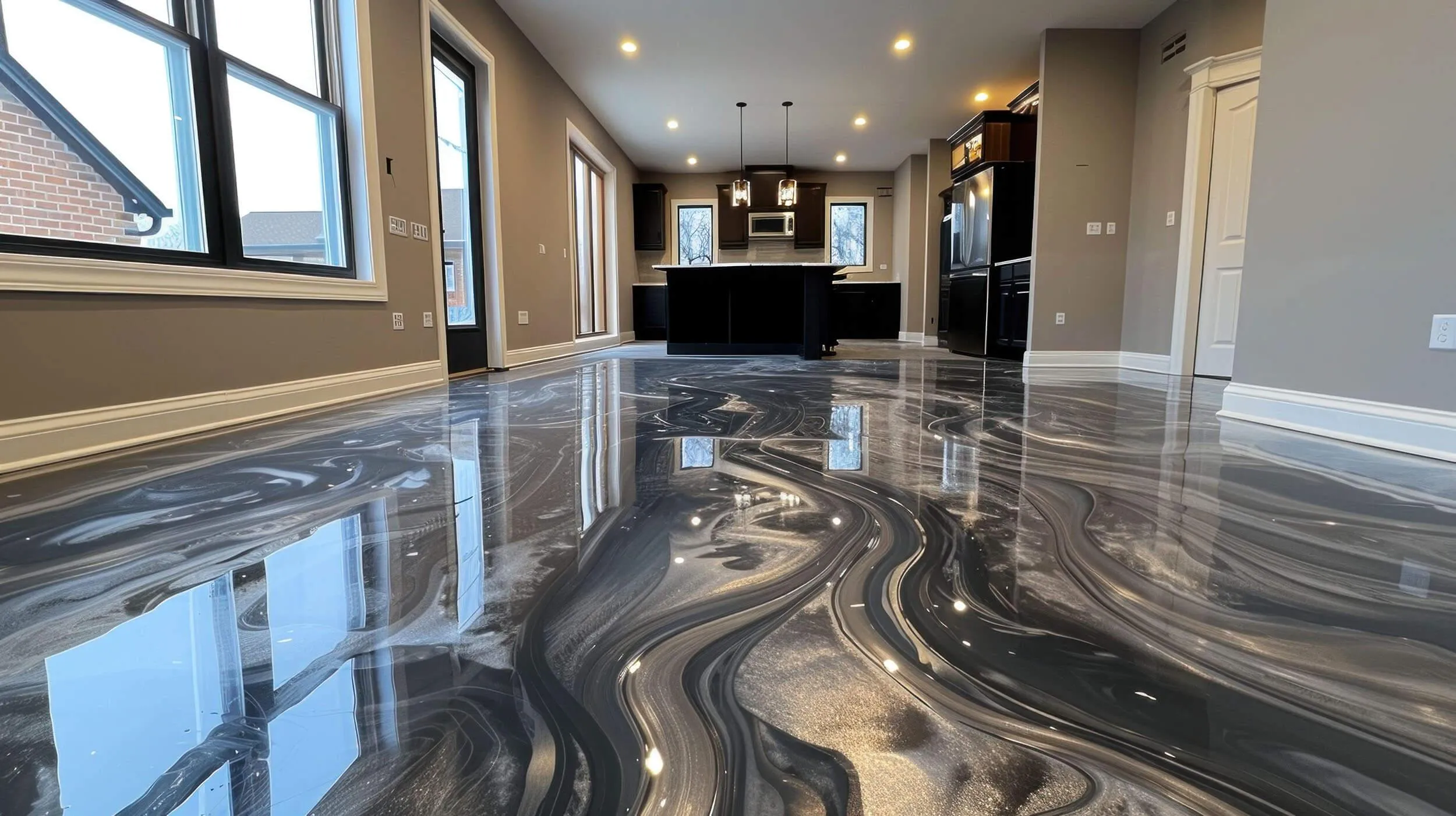
Metallic epoxy flooring offers a creative alternative to conventional solid-color concrete finishes. Its flowing pigments can produce visual effects resembling natural stone, polished minerals or abstract artwork. However, achieving an attractive result requires control over the materials, base colors and application process. Contractors comparing jp resin los angeles product options should begin by reviewing suitable resin systems and their intended uses. A well-planned installation combines artistic flexibility with practical considerations such as surface preparation, working time, lighting and the expected demands of the finished space.
Develop a Clear Visual Concept First
A metallic floor design should complement the room rather than compete with its surroundings. Color choices may reflect wall finishes, furniture, natural lighting or the architectural character of the property. Contractors can prepare sample boards to demonstrate combinations before installation begins. This is useful because metallic pigments create variable effects that cannot be reproduced precisely from photographs. Clients should understand that movement, color concentration, and blending may differ across the finished surface. Establishing design expectations early helps prevent disagreements about naturally occurring artistic variations.
Prepare Concrete for Decorative Consistency
Metallic finishes can make substrate imperfections particularly noticeable because reflective surfaces attract attention. Cracks, uneven repairs and existing coatings therefore require careful assessment before decorative materials are applied. Mechanical grinding may be necessary to remove contamination and establish a suitable surface profile. Repairs should be compatible with the proposed resin system, and moisture conditions must satisfy manufacturer requirements. Contractors should also consider how surface irregularities could influence pigment movement. Creating a stable, properly prepared base supports a more consistent result and reduces preventable adhesion problems.
Use Base Colors to Influence Visual Depth
The underlying color of a metallic floor affects how its decorative pigments appear. Darker bases can produce dramatic contrast, while lighter backgrounds may support softer, more reflective designs. Pigment density and application technique also influence movement and pattern formation. Contractors should test color combinations using the intended product system rather than assuming different resins behave identically. Sample panels help establish realistic expectations for gloss and visual depth. The final appearance may still vary because metallic effects respond to installation conditions and manual manipulation during application.
Understand the Role of Protective Topcoats
A decorative finish must meet practical expectations once the floor returns to everyday use. Professionals researching signature 410 los angeles can examine a high-gloss epoxy topcoat intended to enhance metallic flooring and provide a clear protective finish. Its appearance and performance should be evaluated alongside the complete system. Contractors must confirm compatibility, application thickness and curing instructions. Where sunlight exposure or demanding abrasion conditions are expected, additional product requirements may influence the choice of final protective layer.
Control Lighting During Design Evaluation
Lighting can significantly change the perceived appearance of decorative epoxy. Direct sunlight, overhead fixtures and reflected colors from nearby surfaces may emphasize different portions of the pattern. Showrooms and residential interiors therefore benefit from evaluating samples under realistic lighting conditions. Highly reflective finishes may also make dust, scratches and surface irregularities more visible. Contractors should explain these characteristics when discussing design choices. Understanding the relationship between light and gloss helps clients choose a finish that complements the space without creating unrealistic expectations about everyday appearance.
Manage Working Time and Pigment Movement
Metallic flooring applications require careful coordination because resin viscosity and working time change as materials begin curing. Mixing quantities should match the manufacturer’s instructions and the installation team’s ability to spread material consistently. Temperature can influence working characteristics, making site conditions important. Contractors may use suitable tools to guide pigment movement while maintaining the required coating thickness. Excessive manipulation can produce unpredictable patterns or uneven material distribution. Organized application procedures support creative control without compromising the physical requirements of the selected coating system.
Establish Appropriate Maintenance Expectations
Decorative floors may be easier to clean than unfinished concrete, but maintaining their appearance still requires attention. Abrasive dirt should be removed regularly, and cleaning chemicals must be compatible with the protective finish. Furniture pads help reduce scratching, particularly in highly reflective interiors. Clients should understand that no coating is completely resistant to physical damage. Periodic inspection allows minor wear to be identified before it affects larger areas. Providing clear care instructions after installation helps protect the client’s investment and supports realistic expectations for long-term performance.
Conclusion
Metallic flooring succeeds when artistic choices are supported by sound technical decisions. Proper preparation, compatible resin components and realistic expectations create a stronger foundation for visually distinctive installations. Contractors interested in decorative coating materials can explore product options and technical guidance through whatittakesla.com, a Los Angeles supplier serving professional concrete flooring projects. Comparing available systems and preparing physical samples before installation can help clients approve the intended appearance. Thoughtful material selection makes creative flooring work more predictable without sacrificing its individual character.