Solar systems installed near the coast operate in conditions that are very different from those faced by inland properties. Salt carried in the air, high humidity, strong sunlight, heavy rain and seasonal storms can affect far more than the visible surface of the panels. Over time, these conditions can contribute to corrosion, damaged seals and declining electrical performance.
For Sunshine Coast homeowners, effective solar maintenance should focus on the entire system rather than cleaning alone. A practical maintenance routine can identify early signs of damage, protect existing equipment and reduce the risk of unexpected shutdowns.
Watch for Early Signs of Salt Exposure
Salt residue may appear as a light film on the panel surface, but its greatest impact often occurs around metal frames, mounting rails, brackets and electrical enclosures. When salt combines with moisture, corrosion can develop gradually and remain hidden until components begin to weaken.
Homeowners can look for rust staining, discolouration or unusual marks from a safe position at ground level. Any visible changes around rooftop fittings should be professionally assessed, particularly if the system is older or located close to the shoreline.
Review Mounting Rails and Roof Attachments
Solar panels rely on secure mounting rails, clamps and roof attachments to remain stable. Coastal winds and ongoing exposure to moisture place additional stress on these components. A loose bracket or deteriorating fastener may not immediately reduce energy production, but it can compromise the stability and safety of the entire array.
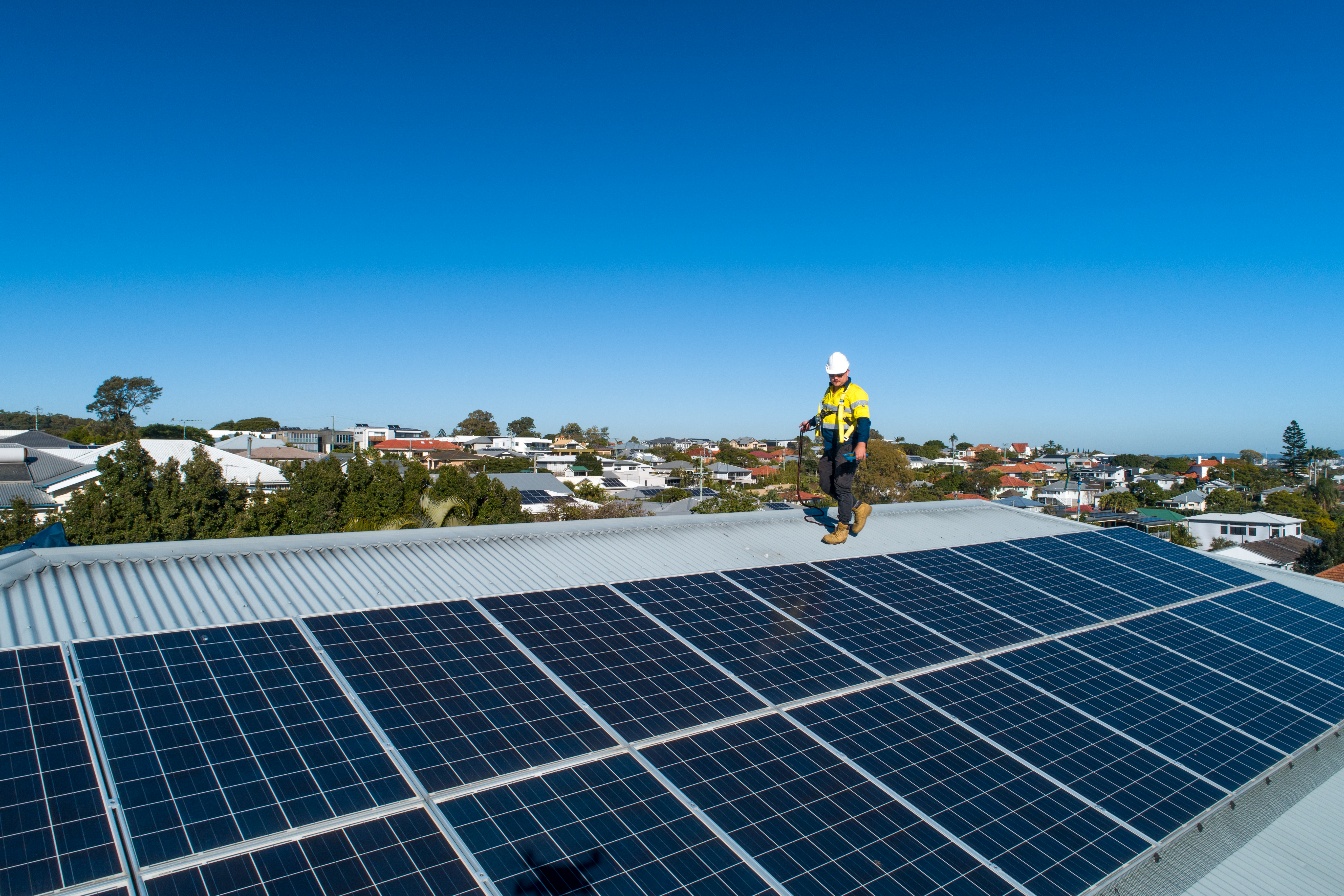
Professional Solar System Maintenance in Sunshine Coast hould include a thorough inspection of mounting hardware, attachment points and roof seals. A qualified technician should check for movement, corrosion, water ingress and any storm-related damage.
Check Inverter Behaviour and Monitoring Data
The inverter can provide valuable clues about developing system issues. Repeated warning lights, unexplained shutdowns or missing monitoring data may indicate an underlying fault. These warning signs should be recorded rather than ignored or repeatedly reset.
Homeowners should also compare current system output with the same period in previous years. While weather naturally affects daily generation, a consistent decline during similar conditions may indicate shading, electrical deterioration or equipment failure.
Manage Vegetation Around the Roof
Fast-growing coastal vegetation can create new shading, drop leaves onto the panels and increase debris beneath the array. Branches may also move during strong winds and come into contact with rooftop equipment.
Trees should be managed before they begin blocking large sections of the array or damaging the roof. Any pruning near solar equipment should be carried out by an appropriately qualified professional. Homeowners should never climb onto the roof or work near live electrical components themselves.
Clean Panels with Suitable Methods
Salt, dust, pollen and bird droppings can build up over time, forming stubborn deposits that rainfall may not fully remove. Cleaning can be beneficial when contamination is clearly visible or when system output appears lower without another obvious cause. Homeowners searching for Solar Panel Maintenance Near Me should ensure the provider uses equipment specifically designed for cleaning solar panels. Abrasive brushes, harsh chemicals and high-pressure water can damage protective coatings, seals and nearby electrical components. Ideally, cleaning should be combined with a professional inspection so any developing technical issues are identified at the same time.
Arrange Inspections After Severe Weather
Heavy rain, strong winds and storms can affect panel frames, wiring, mounting equipment and roof penetrations. Damage is not always visible from the ground, and the system may continue operating while producing less electricity than expected.
After severe weather, homeowners should review inverter messages, monitoring data and overall electricity generation. If output drops suddenly, components appear displaced or the inverter begins shutting down, a professional inspection should be arranged promptly.
Keep a Clear Maintenance Record
Maintaining accurate service records can make future fault diagnosis much easier. Homeowners should keep inspection reports, repair invoices, cleaning dates, inverter fault codes and photographs of any visible changes.
This maintenance history allows technicians to compare the system’s current condition with previous inspections. It can also reveal whether corrosion, declining performance or recurring shutdowns are becoming more frequent over time.
Use a Maintenance Schedule Based on Risk
Not every coastal property requires the same maintenance schedule. Factors such as distance from the coastline, prevailing winds, roof height, surrounding vegetation, system age and previous corrosion all influence the level of risk.
A qualified solar maintenance provider should recommend an inspection schedule based on the condition of the installation rather than a one-size-fits-all approach. Older systems, properties exposed to frequent storms or homes with visible signs of corrosion may require more regular inspections than newer systems located further inland.
Conclusion
Coastal solar maintenance involves much more than simply washing salt from the surface of the panels. Mounting hardware, electrical enclosures, wiring, roof seals and overall system performance all require regular attention in the Sunshine Coast’s coastal environment.
By monitoring system performance, managing nearby vegetation, arranging inspections after severe weather and responding quickly to early signs of corrosion, homeowners can protect the value and performance of their existing solar system. A complete, risk-based maintenance approach helps keep the system operating safely while preventing minor coastal wear from developing into costly repairs.