
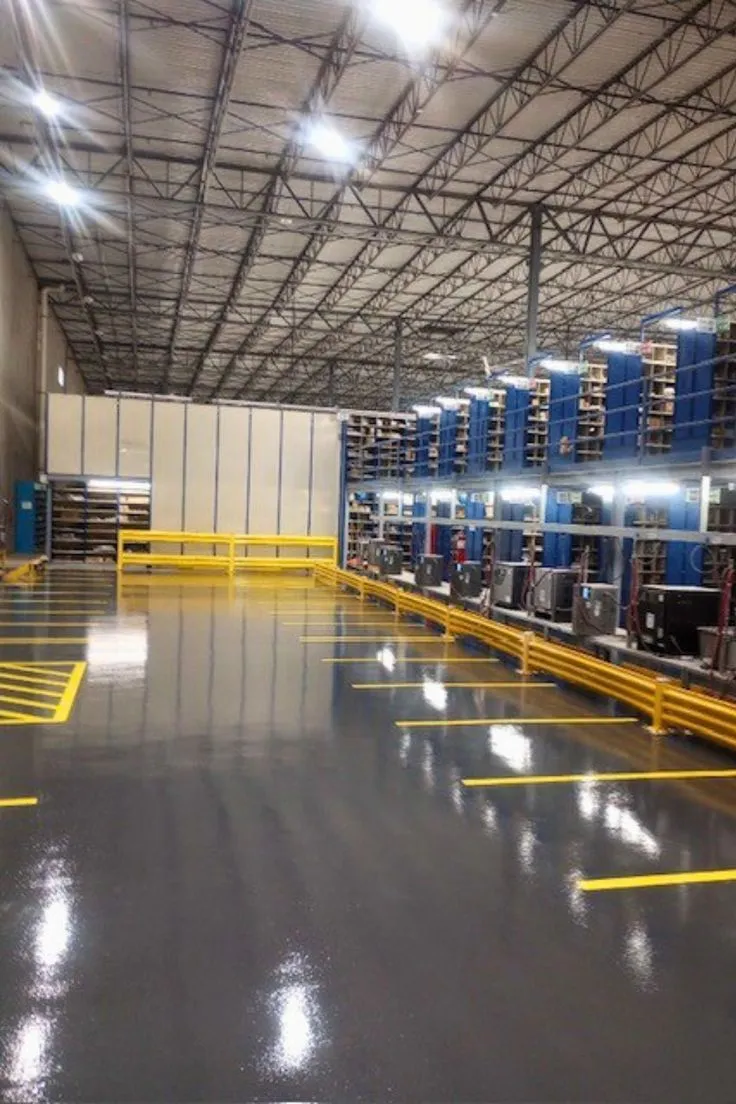
Loading docks connect indoor warehouse operations with outdoor transportation activity. Trucks arrive in changing weather, forklifts move across thresholds, and deliveries frequently introduce dirt and moisture into the building. These conditions create flooring challenges that may differ from those in ordinary storage aisles. Selecting appropriate warehouse floor coatings requires understanding repeated equipment movement, cleaning demands, and exposure near exterior doors. Facility managers should evaluate these areas separately rather than assume that one general flooring specification will perform equally well throughout an entire warehouse.
Identify High-Stress Loading Areas
Loading docks often experience concentrated activity within relatively small spaces. Forklifts turn frequently, pallet jacks cross thresholds, and heavy products move between vehicles and storage locations.
This repeated movement can contribute to surface deterioration, particularly around damaged joints or poorly maintained concrete edges. Regular inspections help managers identify areas where mechanical wear is developing before it interferes with daily deliveries.
Understand the Impact of Seasonal Weather
Warehouses around Chicago experience significant seasonal changes. During winter, delivery equipment and vehicle tires can bring snow, water, and road salt into loading areas.
Repeated moisture exposure deserves attention because it can affect certain coating systems and create slipping hazards. Surface preparation, product compatibility, drainage, and routine cleaning should all be considered when selecting materials for these conditions.
Examine Concrete Joints and Thresholds
Concrete joints help accommodate movement and manage cracking. In warehouses, these areas may experience repeated impacts from equipment wheels, especially when adjoining sections become uneven.
Damaged edges should be assessed before coating work begins. Some joints require flexible treatment rather than rigid filling. A surface coating cannot eliminate structural movement or compensate for an unsuitable underlying slab.
Select Materials for Equipment Traffic
Different concrete coatings offer varying levels of abrasion resistance, chemical compatibility, and mechanical durability. The right specification depends on equipment types, wheel loading, traffic frequency, and the existing concrete condition.
Epoxy, urethane, and polyaspartic systems have different characteristics. Facility managers should request product specifications and discuss expected operating conditions rather than selecting a system based entirely on appearance or installation speed.
Balance Traction With Practical Cleaning
Loading areas can become wet when trucks arrive during rain or snow. A smooth coating may require additional surface texture to provide appropriate traction under expected conditions.
However, excessive texture can complicate cleaning and the movement of certain wheeled equipment. Selecting a suitable finish requires balancing slip resistance, cleaning methods, and operational requirements. Appropriate drainage and prompt spill removal remain essential.
Review Conditions Before Installation
A detailed inspection should establish what the finished floor needs to withstand. Important considerations include:
-
Frequency of forklift and pallet jack movement.
-
Exposure to rainwater, snow, and deicing salts.
-
Existing cracks or deteriorating concrete joints.
-
Locations where trucks transfer heavy loads.
-
Cleaning chemicals and equipment used daily.
-
Available time for installation and curing.
These observations help contractors recommend suitable preparation and coating methods while reducing unexpected changes during the project.
Coordinate Work With Delivery Schedules
Closing a loading dock can affect deliveries, inventory movement, and customer commitments. Facility managers should therefore discuss installation requirements well before scheduling repairs.
Some warehouses may be able to redirect traffic temporarily or complete improvements in phases. However, grinding, coating application, and curing can create access restrictions. Equipment should not return until the selected materials are ready for their intended loads.
Prepare Concrete for Reliable Adhesion
Loading areas may contain embedded oils, dust, previous coatings, or weak surface material. These conditions can interfere with bonding if they are not addressed before installation.
Mechanical grinding and suitable repairs may be necessary to establish an appropriate substrate. Moisture conditions should also be assessed where relevant. The preparation method must follow the manufacturer’s requirements for the selected coating system.
Establish a Preventive Maintenance Routine
Warehouse flooring requires ongoing inspection even after professional installation. Turning areas, joints, and entrances should receive particular attention because deterioration may develop faster in these locations.
Cleaning teams should remove abrasive debris and use compatible products. Equipment operators should report new damage promptly. Maintenance records can help identify recurring problems and support better planning for future repairs.
Conclusion
Loading dock flooring experiences demands that ordinary warehouse aisles may not encounter. Equipment traffic, changing weather, concrete movement, and regular cleaning all influence the suitability of protective finishes. Facility managers should assess these conditions carefully and coordinate installation around operational requirements. For businesses exploring industrial floor coatings across Chicago and surrounding Illinois communities, evolveconcretecoating.com provides information about warehouse epoxy and concrete flooring systems. A thoughtful approach to surface preparation, material selection, and maintenance can help loading areas remain practical while supporting reliable daily operations.

