
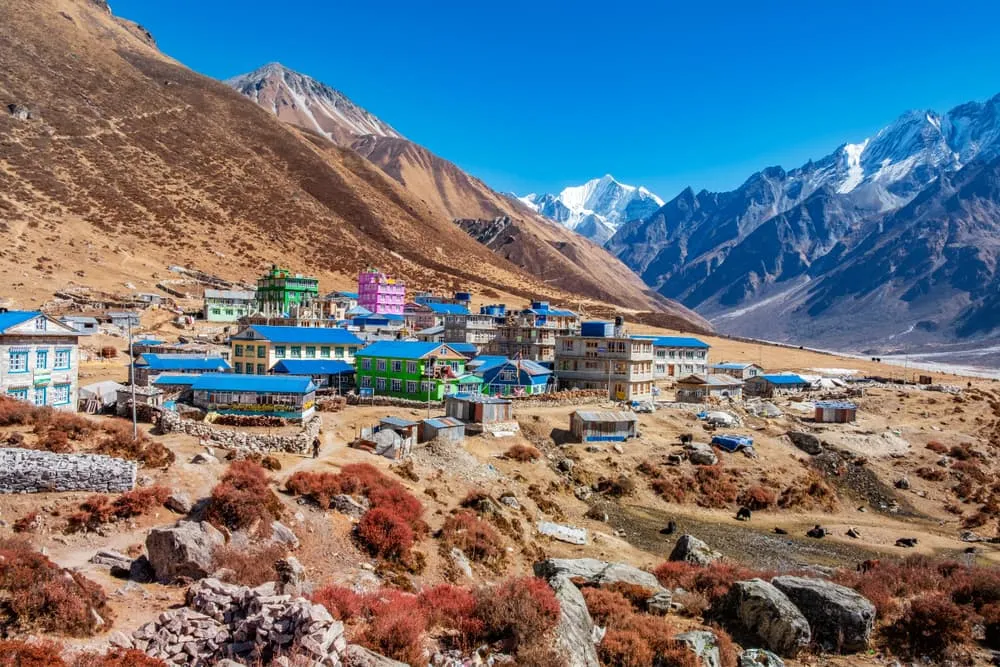
The Langtang Valley Trek is known the world over for many things, including the majestic mountain scenery that highlights much of this unforgettable hike. In addition, what gave this experience a whole new level of challenge that made everything else feel shallow was that it was extremely cultural as well. It sits within a region of northern Kathmandu, bordering Tibet, called Langtang, where this valley was badly affected by the earthquake but not nearly as serious in comparison to villages such as Gorkha—located at the head of a major hydroelectricity reservoir.
While many trekking destinations offer spectacular mountain views, indeed both the natural beauty and grandiose views are in abundant presence in the Langtang Valley Trek, it is also a chance for travelers to discover real local culture set against a backdrop of stunning scenery. Traditionally built villages, Buddhism with its rich heritage, and warm local people make Langtang one of the most culturally wealthy trekking regions in Nepal.
Another part of the village walk is in some traditional villages on the Langtang Valley trail.
The Langtang Valley Trek has some of the best examples of villages you might actually find in the mountains. The trail meanders through settlements that reflect the traditional lifestyles of their local communities, which still maintain a close bond with their Himalayan heritage. As you trek through villages such as Langtang and Kyanjin Gompa, you are exposed to the architecture, culture, and community values that have endured for generations. These villages provide the trekkers with a glimpse of how people in our Himalayan topographies are living their days by adhering to their culture.
This is the experience of Tamang culture and the Himalayan tradition.
Similar to Tibetan heritage, Tamang culture is dominant in the Langtang region; hence, it plays a decisive role in the identity of this area. The Tamang are an ethnic group whose history, language, traditional dress, and cultural practices reflect the Himalayas. Local Culture : Get closer to family traditions and community celebrations with Langtang Valley Trek. A hands-on cultural experience that allows the traveller to relate to the locals who live in the mountains.
That—Exploring Buddhist Heritage and Spiritual Practices
The culture of Langtang Valley is very closely related to Mongoloid and Buddhist traditions. The entire trek runs past monasteries, prayer wheels, manii walls, chortens, and bright clusters of colored prayer flags that note the spiritual importance of the region. The trekking route also contains numerous culturally significant destinations, like the ancient Kyanjin Gompa, which provides insight on the tradition of Himalayan Buddhism. The entire surrounding of these places acts as a good place for trekkers to relish the connection between religion, nature & mountain life.
Enjoying Authentic Himalayan Hospitality
The warm hospitality of local communities is also one of the memorable things during the Langtang Valley Trek. Teahouse owners and villages generally welcome travelers with true goodwill. Local lodges offer you lots of opportunities to talk, taste some home-cooked meals, and learn about life in the Himalayas. Those personal encounters make more lasting memories than a guided tour. The type of warmheartedness they possess adds to their trekking cultural experience.
Learning About Traditional Mountain Lifestyles
Life in Langtang revolves around what life in the Himalaya throws at you. Yours are local communities adapting for thousands of years to the cycles of farming, animal husbandry, and resource management. During the Langtang Valley Trek, one can see how people merge with nature but at a time not manifest alone in culture. The lifestyles of generations of Himalayan communities are a mark of their resilience and resourcefulness.
Learning More About Local Updates by Food and Intangible Cultural Heritage
Food is an essential part of a culture and one of the reasons that make traveling to any new area as worthwhile as the rich Langtang Valley Trek Overview. Food is a reflection of local histories, environments, and what is available the world over. Dal bhat, Tibetan-style food, and home-cooked mountain food are staple traditional fare that could also provide a window into local food practices.
Further opting to eat at local-owned teahouses will offer trekkers the most ample chance to sample authentic ingredients of the mountains; it is also an effort that benefits the families that run them. Highly appreciated food experiences also form double salutes from among the cultural palette, making part of this journey through along, over, and beyond the realm of Himalayer.
Understanding Festivals and Community Celebrations
Another thing that makes Langtang special relates to its cultural festivals and events. Customary acts consistent with Buddhist practices, seasonal advances, and social collective events are still performing in balance with expressions of life in local communities persistently. Those celebrations are full of music, rituals, dances, and events that translate into our solidarity. For the traveler coming on those days, they got so many occasions to feel more of these costumes’ tradition.
Preserving Culture Through Responsible Tourism
Responsible tourism and supporting the livelihood of local people also helps in cultural preservation in Langtang. The income from the trekking is also utilized in maintaining these teahouses, local businesses, and simple lifestyles. Tourism—when visitors use local services and remain respectful of cultural traditions—is a success story in the conservation of heritage. Sustainable trekking will sustain the cultural heritage of Langtang Valley so our children will be able to enjoy it like we do.
Connections Beyond the Trail: Networking with Locals
The real cultural aspect of the Langtang Valley Trek comes when you interact with the locals. Simple chit-chat, meals together, and village visits evolve into the highlights of your visit. Those connections enable travelers to experience the beauty and hardship of life in the Himalaya. What makes Langtang more distinctive than many trekking destinations, however, is real community life.
Heritage Colors of India Through Nature & Culture
This move-in is somewhat of a combination of traveling and exploring—the whole Langtang Valley Trek Route is what distinguishes it from other treks! The trail introduces trekkers to centuries-old traditions accompanied by glorious views of Langtang Lirung and magnificent lush forests, rivers, and alpine scenery. This is only part of the charm—every village and monastery bursting with its own untold stories, sprinkled into each painterly aspect of how people live in these outposts that offer so much more than just a mountain adventure.
Langtang Valley Reason with Cultural Culture
Another top reason people are drawn to the Langtang Valley Trek is they want a more authentic experience and sense of purpose. This trek also gives you the opportunity to discover mountain culture in Nepal off the beaten tourist path. Be it the exotic culture of local communities, the spiritual value of heritage trails, or natural splendor, all combine to give you a wholesome experience in the Himalayas. A lot of the cultural experiences are some of the best memories when you get back from your trek.
Treks Through Langtang Valley: A Cultural Trek 20%
Occupying the richest local culture of Nepal: a seamless blend of pristine traditional villages, Buddhist heritage, and enduring Himalayan lifestyles sustained by genuine Nepali hospitality. The mountains are beautiful, but this is where life and traditions come alive, making up the soul of the trip. The trekkers on the Langtang Valley Trek get to witness not only the breathtaking natural aspect of this majestic land but also centuries-old stories whose importance in culture is phenomenal, traditions, and cultures that are handed down from generation to generation throughout the mighty span of history within this valley.