

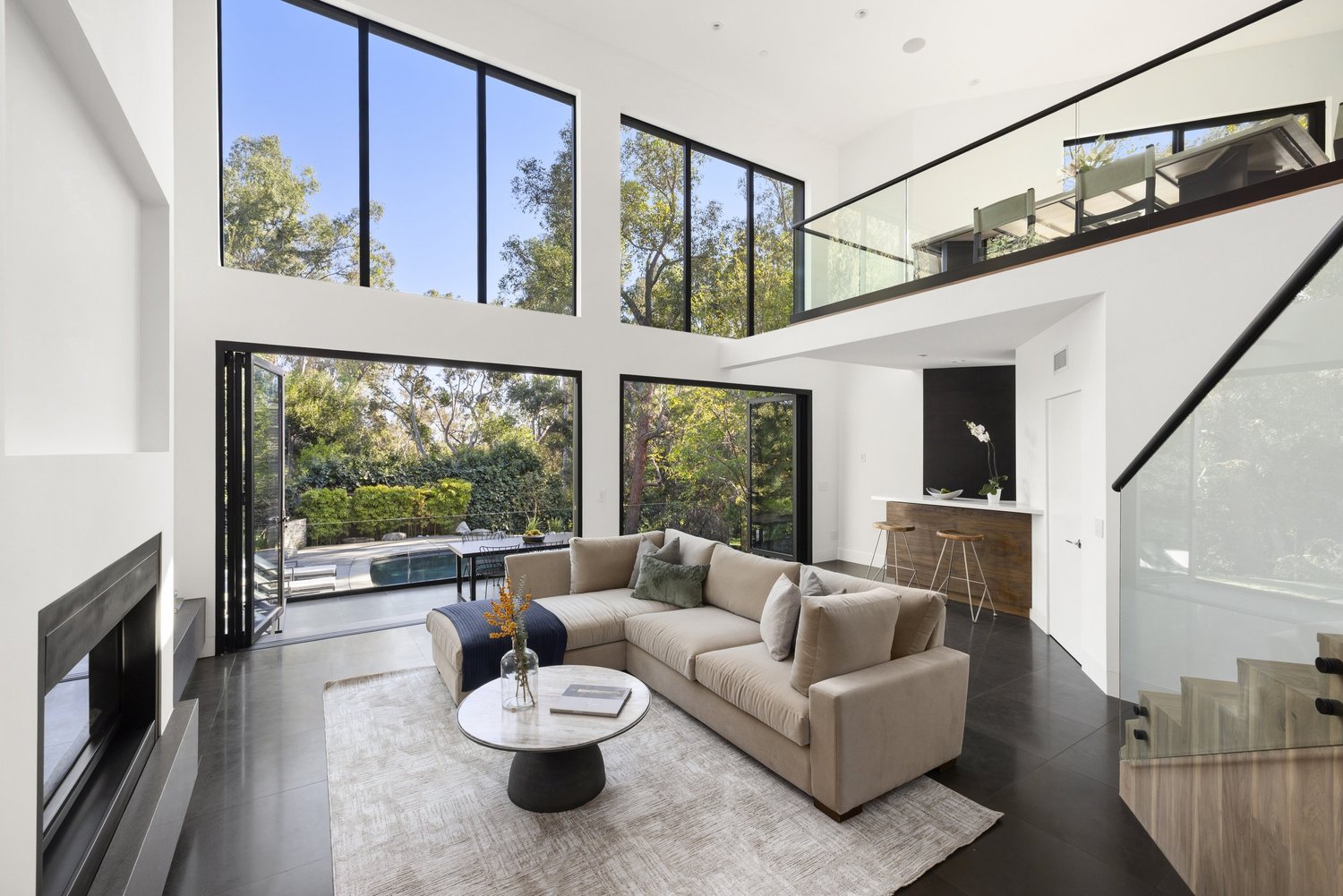
An empty property may appear clean and spacious, but it can also be difficult for buyers to interpret. Without furniture, there are fewer visual cues to show the scale of a room, suggest how it might be used or create a natural focal point.
A Furniture Rental Company USA search may lead sellers to many types of providers, but staging a listing requires more than simply delivering sofas, tables and chairs. The furniture has to suit the property and support the way buyers experience it.
Why Vacant Rooms Can Be Hard to Read
When a room is empty, buyers have to estimate whether their furniture will fit and how the space could function. This can be particularly challenging in open-plan homes, compact condos or rooms with unconventional dimensions.
Furniture gives the eye reference points. A dining table can define an eating area, while a sofa and chairs can establish the purpose of a living zone.
The result is not about making the room look full. It is about giving enough context for the space to make sense.
Using Furniture to Show Scale
Scale is one of the most important reasons to stage a vacant property.
A photograph of an empty bedroom may not make it obvious whether the room comfortably accommodates a queen or king bed. In a large living room, the absence of furniture can make the space feel less inviting even when the dimensions are generous.
Home Staging for Vacant Homes can address this by selecting pieces that demonstrate proportion without crowding the room. Appropriate furniture can show how people might move through the space and where key functions naturally belong.
Creating Stronger Listing Photos
Vacant properties can be difficult to photograph because empty rooms may offer limited visual hierarchy. Walls, floors and windows are visible, but the image may lack a clear center of attention.
Staged furniture can introduce structure. A seating arrangement can direct the viewer towards a fireplace or window, while a dining setup can show how an open area connects with the kitchen.
Accessories and artwork can add interest, but they should remain secondary to the property itself.
Matching Furniture to the Architecture
Successful staging does not use the same furniture package for every home. A contemporary condo may benefit from streamlined pieces and a lighter visual footprint. A larger residence may need furniture with enough scale to feel balanced. A home with strong architectural character may require a more restrained approach so that furnishings complement rather than compete with built-in features. This is why curation matters. The best furniture for staging is not necessarily the furniture someone would choose for permanent ownership.
Focusing on Priority Rooms
It is not always necessary to furnish every room in a vacant property. The living room, dining area, primary bedroom and other key spaces often have the greatest influence on how buyers understand the home. Secondary rooms can be evaluated according to the property and target audience.
For example, a smaller room could be staged as a home office when its function might otherwise be unclear. In another property, leaving that room open may make more sense.
The approach should follow the listing rather than a fixed checklist.
Furniture Rental Adds Flexibility
Rental furniture is particularly useful because staging is temporary by nature. Sellers do not need to purchase an entire collection simply to prepare a home for market.
The ability to select pieces for a defined period also allows the staging concept to reflect the specific property. Furniture, artwork and accessories can be coordinated around scale, style and layout rather than whatever happens to be available in the seller’s home.
That flexibility can help create a more deliberate presentation.
Avoiding Over-Staging
A vacant property does not need to be filled with furniture to feel complete. Too many pieces can reduce visible floor area and move feel of the space feel restricted. Excessive décor can also distract from the features buyers are meant to notice.
Good staging leaves breathing room. Buyers should be able to see flooring, windows, architectural details and circulation paths clearly. The furniture should explain the room, not dominate it.
Conclusion
Vacant homes offer a clean starting point, but emptiness alone does not always communicate scale or function effectively. Carefully selected rental furniture can give rooms context, create stronger visual structure and make listing photographs easier to understand.
The most effective approach considers proportion, architecture and the likely use of each space. By furnishing priority rooms without overcrowding them, sellers can present a vacant property in a way that feels purposeful while still allowing buyers to focus on the home itself.